Utah Storm Damage Restoration Services
When severe weather strikes, our team delivers fast, dependable storm damage restoration across Utah. We handle everything from wind and hail damage to roof breaches, fallen trees, flooding cleanup, structural repairs, and full property restoration for our Utah neighbors.

Storm Damage Restoration Services in Utah
As Easy as 1, 2, 3

Report the Damage
The moment a storm hits your property, call us. Rain or shine, day or night, our dispatchers are standing by to get a storm damage restoration crew headed to your location, often within the hour. Free estimates available during standard service hours.
Get help now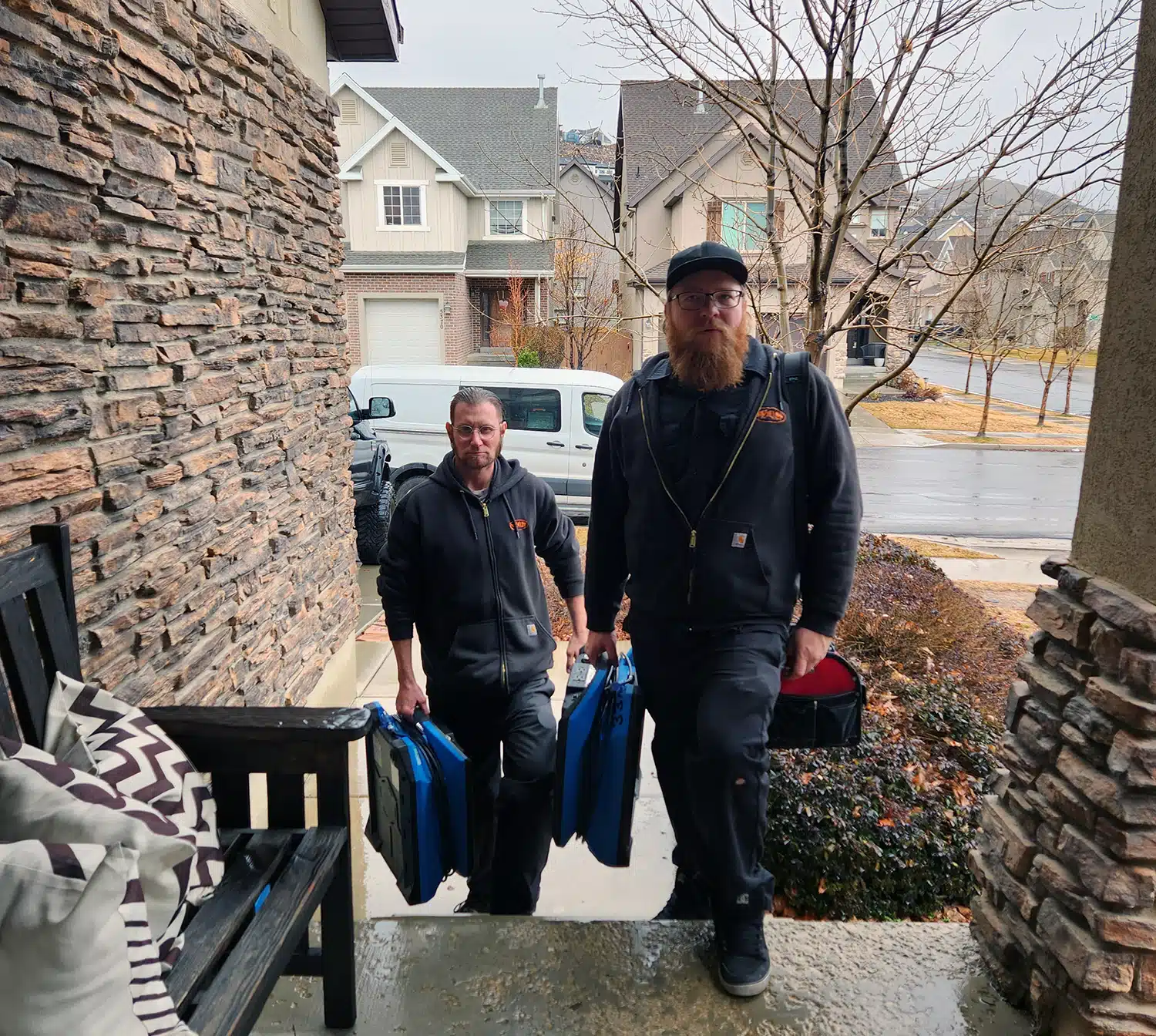
We Assess & Secure Your Property
Our crew inspects every inch of storm damage, from roof breaches and broken windows to wind-torn siding and interior water intrusion. We tarp exposed areas, board up openings, and start mitigation immediately. You focus on your family. We handle the rest.
See how we work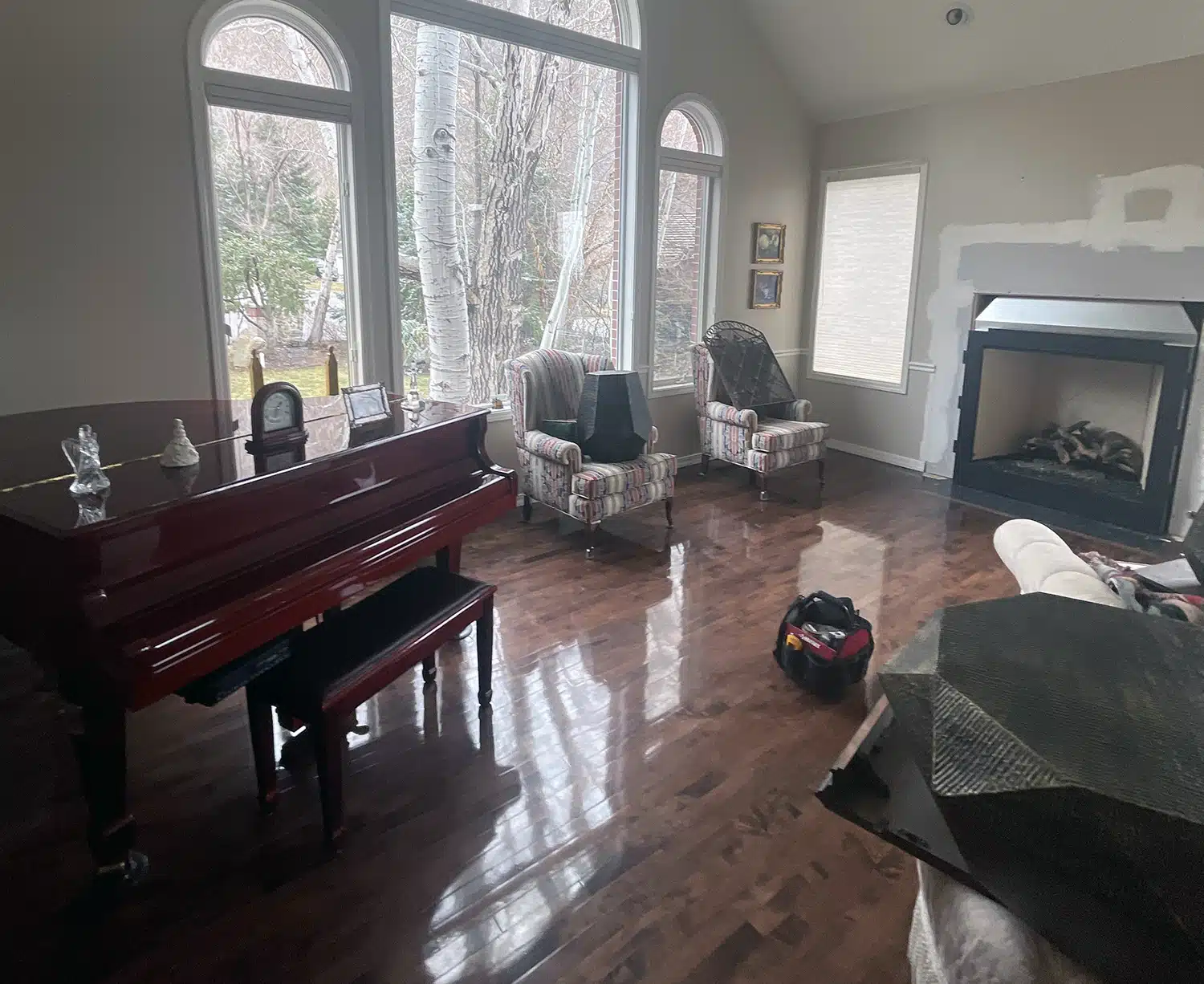
We Rebuild & Restore
Roofing, siding, drywall, flooring, landscaping cleanup — we bring your property back to pre-storm condition from top to bottom. We coordinate directly with your insurance carrier so the claims process stays off your plate. One company, start to finish.
See our before & after resultsDan Davies founded Water Damage Specialists in Lehi in 2007 after spending years in the Bay Area's restoration industry. He came back to Utah with one goal: build a restoration company that actually treats people the way they deserve to be treated during the worst day in their home. Over eighteen years, we've grown into one of the Wasatch Front's most trusted storm damage restoration teams, responding to everything from microbursts and hailstorms to heavy snow loads, spring flooding, and wind events that rip through neighborhoods without warning. The mission hasn't changed: show up fast, do exceptional work, and stand behind every job.
Utah's Storm Damage Restoration Specialists
After a major storm tears through your neighborhood, the last thing you need is a national call center putting you on hold. When you dial (801) 768-4710, you're talking to a local Utah storm restoration team that already knows the terrain, the building codes, the insurance carriers, and the specific ways severe weather damages homes along the Wasatch Front.
Every technician on our crew is trained and certified under IICRC Standards, the highest benchmark in the property restoration industry. That means proper damage assessment protocols, professional-grade water extraction and structural drying when storms breach your home's envelope, and thorough documentation that holds up when your adjuster reviews the claim. If a job doesn't meet our standards, we don't take shortcuts. We get it right.
Where We Provide Storm Damage Restoration in Utah
Our storm damage restoration crews respond to properties across Utah County and East Salt Lake County, including American Fork, Cottonwood Heights, Draper, Eagle Mountain, Heber City, Lehi, Midvale, Midway, Millcreek, Murray, Orem, Park City, Pleasant Grove, Provo, Salt Lake City, Sandy, Saratoga Springs, Snyderville, West Jordan, and West Valley City.
Whether the storm hit a mountain community like Park City or Heber City, or tore through valley neighborhoods in Provo or West Jordan, our emergency response teams can be on site fast with the equipment and expertise to start stabilizing your property immediately.
Certified, Licensed & Built for Accountability
Storm damage claims demand airtight documentation. Every shingle, every puncture, every square foot of water intrusion from a compromised roof or blown-out window needs to be captured, measured, and reported in a format your insurance company trusts. Our credentials aren't decorative. They represent years of specialized training, continuing education, and a commitment to the kind of precision that gets claims approved without unnecessary delays.
- IICRC certified (Company ID #70169087)
- Utah State License #7033426-5501
- Restoration Industry Association (RIA) Certified Restorer
- HomeAdvisor Screened & Approved, Top Rated, 5-Year badge
- Background-checked crews
- Open 24/7/365, including holidays

Why Storm Restoration in Utah Requires Local Knowledge
Utah's weather patterns create storm damage scenarios you won't find anywhere else. Summer microbursts slam the valley with straight-line winds that peel siding and snap mature trees onto rooflines in seconds. Hailstorms roll off the mountains and pummel neighborhoods from Sandy to Orem with ice large enough to crack shingles, dent gutters, and shatter skylights. Late-season snowstorms dump heavy, wet loads onto aging roof structures that weren't built for the weight. And every spring, rapid snowmelt sends water cascading off the benches and into basements across the east side. A national franchise running a playbook written for Florida hurricanes doesn't understand any of that.
We've restored storm-damaged properties across this valley for over eighteen years, and every season has taught us something new. We know that homes in Cottonwood Heights and Draper sitting beneath the mountain face different wind exposure than properties in West Valley on flat terrain. We know that a 1990s-era roof in Murray handles hail impact differently than a modern architectural shingle in Saratoga Springs. We know that when a major wind event knocks out power across the valley, the homes with sump pumps lose their flood protection at the exact moment they need it most.
That kind of knowledge doesn't come from a training manual. It comes from eighteen years of climbing onto Utah roofs, walking through Utah basements, and restoring Utah homes after every type of storm this state can throw at them. When you call us, you're not getting a generic restoration crew. You're getting the team that already knows your neighborhood, your risks, and exactly what it takes to put your home back together.
When a storm rips through your property, the damage doesn't pause while you figure out what to do next. Rain is pouring through a breached roof. Wind-driven debris is still threatening exposed walls. Standing water is creeping across your floors and soaking into your substructure. We don't show up with a tarp and a to-do list. We arrive with heavy-duty extraction equipment, IICRC-certified storm restoration technicians, and a battle-tested three-step process: Assessment, Mitigation, Restoration. We are with you from the first emergency call through the final walkthrough.
Storm Damage Restoration
Utah storms don't give warnings that match the damage they leave behind. A fifteen-minute microburst can tear shingles off a roof, snap a tree onto your garage, and drive rain into your attic before you've even moved away from the window. By the time the sky clears, water has already found its way into wall cavities, insulation, and subfloor layers where it starts causing secondary damage immediately.
Our storm damage restoration crews mobilize fast. We assess structural integrity first — roof decking, trusses, load-bearing walls, and the building envelope — to determine what's safe and what's compromised. We identify every point of water entry, map the path moisture has traveled through the structure, and deploy extraction equipment, air movers, and commercial dehumidifiers to halt the damage before it compounds.
We document everything from the moment we arrive. Timestamped photos, moisture readings, structural notes — all compiled into a package that your insurance adjuster can review without questions. Until every damaged area is stabilized, dried, and cleared for reconstruction, our crew stays on the job. That's the difference between a company that covers a hole and hopes for the best and a team that actually restores your home to a safe, pre-storm condition.
- Full structural assessment: roof decking, trusses, framing, siding, windows, and foundation integrity
- Moisture mapping to trace water intrusion paths from entry point through interior structure
- Commercial-grade water extraction, air movers, and LGR dehumidifiers for rapid structural drying
- Emergency tarping and board-up to prevent ongoing exposure to weather
- Comprehensive insurance documentation: photos, scope reports, and loss inventories from day one
Wind Damage Repair & Restoration
High winds along the Wasatch Front do more than knock over trash cans. Straight-line winds from summer microbursts regularly exceed 70 mph, strong enough to rip siding off walls, peel back roofing, snap fences, and launch debris into windows and exterior cladding. The damage often looks cosmetic from the street, but what's happening underneath tells a different story. Lifted shingles expose underlayment to moisture. Torn flashing opens gaps around chimneys and vents. Cracked siding lets wind-driven rain penetrate the wall cavity behind it.
Our wind damage restoration process starts with a thorough exterior and interior inspection. We check every surface the wind could have compromised: roof field, ridge caps, flashing, fascia, soffit, siding, windows, and exterior doors. Inside, we use thermal imaging and moisture meters to find water intrusion that entered through openings created by the wind. We repair and restore every affected component, from replacing torn shingles and damaged siding panels to rebuilding sections of fascia, soffit, and trim.
- Complete exterior inspection: roofing, siding, fascia, soffit, gutters, windows, and doors
- Interior thermal imaging to detect moisture entry from wind-created breaches
- Shingle, flashing, and underlayment repair or full roof section replacement
- Siding repair and panel matching to restore your home's exterior appearance
Hail Damage Restoration
Hailstorms along the Wasatch Front hit hard and fast. Quarter-sized hail is enough to bruise shingles, crack vinyl siding, dent gutters and downspouts, and pit the finish on exterior trim. Larger hail punches through skylights, damages window screens and frames, and can compromise roof decking to the point where leaks develop weeks later during the next rainstorm. The most dangerous hail damage is the kind you can't see from the ground — granule loss on shingles that leaves your roof's underlayment exposed to UV degradation and moisture penetration over time.
We perform detailed hail damage assessments covering every exterior surface. Our crews walk the roof, inspect each slope, and document impact patterns, granule displacement, cracking, and punctures. At ground level, we evaluate siding, window trim, gutters, HVAC condenser units, and any other exposed components. Every finding gets photographed, measured, and compiled into a hail damage report formatted for your insurance carrier.
- Roof inspection documenting impact marks, granule loss, cracked shingles, and punctures
- Ground-level assessment of siding, gutters, downspouts, window trim, and HVAC units
- Skylight and window inspection for cracks, seal failures, and frame damage
- Insurance-ready hail damage documentation with photos, measurements, and scope reports
Storm Flooding & Water Intrusion Cleanup
When storms breach your home's exterior, the water that gets inside creates a restoration challenge that goes far beyond mopping up a wet floor. Rain driven through damaged roofing saturates attic insulation and ceiling drywall. Water pouring through compromised windows soaks into wall cavities and runs down to the subfloor. Basement flooding from overwhelmed drainage or rapid snowmelt introduces groundwater contamination that requires professional extraction and sanitation.
Our storm water intrusion teams respond with the same equipment and protocols we deploy on any major water loss. High-powered extraction units pull standing water from every affected level. LGR dehumidifiers and strategically placed air movers dry the structure from the inside out. We monitor moisture levels daily with calibrated meters and thermal imaging to ensure nothing gets left wet behind closed walls. If contaminated groundwater is involved, we follow full Category 3 remediation protocols including removal of affected porous materials and antimicrobial treatment of all exposed surfaces.
- Full-structure water extraction: standing water, saturated insulation, subfloor, and wall cavities
- LGR dehumidifiers and commercial air movers for professional structural drying
- Daily moisture monitoring with calibrated meters and thermal imaging
- Category 3 contaminated water remediation when groundwater or sewage is involved
- Antimicrobial treatment of all exposed framing and hard surfaces before close-up
Fallen Tree & Debris Removal
A mature tree falling onto a home is one of the most dramatic and dangerous storm damage scenarios we respond to. The impact can collapse roof sections, crush framing, shatter windows, and breach the building envelope in multiple places simultaneously. Removing the tree safely without causing additional structural damage requires careful planning, proper rigging equipment, and coordination with our structural assessment team.
We handle the full scope: safe tree removal and sectioning, debris hauling, temporary stabilization of compromised structural elements, and immediate weatherproofing of all exposed openings. Once the debris is cleared and the property is secured, our restoration crew picks up where the emergency team left off and begins the rebuild process.
Emergency Tarping & Property Securing
After a storm blows through, your property may be wide open to the elements. Missing shingles, torn-off siding, broken windows, and punctured rooflines all create pathways for continued water intrusion, animal entry, and potential theft. Our emergency crews deploy within hours to tarp damaged roofs, board up windows and doors, and stabilize any structural openings. This critical first step prevents thousands of dollars in secondary damage while your full restoration plan is being developed.
Mold Prevention & Remediation After Storms
Storm water that sits inside walls, under flooring, or in saturated insulation creates the perfect conditions for mold growth. Colonies can begin forming in as little as 48 hours, and once they establish behind drywall or inside a wall cavity, surface cleaning won't solve the problem. Our crews set up full containment with negative air pressure to prevent spore migration, remove all contaminated materials, treat exposed framing with professional-grade antimicrobial solution, and run HEPA air scrubbers until post-remediation clearance testing confirms the space is safe.
- Full containment with negative air pressure during mold removal
- HEPA vacuuming and air scrubbing to eliminate airborne spores
- Third-party post-remediation clearance testing for verified results
- Structural drying to eliminate the moisture source that triggered the growth
Environmental Testing
Storm damage often reveals problems that existed long before the weather hit. When roofing, siding, or interior walls need to come down for repairs, older Utah homes may expose asbestos-containing materials, lead paint, or mold colonies that were hidden behind intact surfaces. Our assessment process uses air quality testing, particulate sampling, and moisture detection to identify every hazard present before demolition or reconstruction begins. This step protects your family, guides our containment strategy, and ensures full regulatory compliance throughout the project.
Asbestos & Lead Abatement
When storm damage forces demolition in a pre-1980s Utah home, the risk of disturbing hazardous materials is real. Asbestos can be present in roofing, insulation, siding, and floor tiles. Lead paint may coat trim, window frames, and interior walls. Tearing into these materials without proper protocols turns a property damage situation into a health emergency. We handle identification, containment, safe removal, and disposal in full compliance with EPA and Utah state regulations, with complete documentation for your insurance file.
Dustless Demolition
Removing storm-damaged materials — soggy drywall, compromised insulation, warped flooring — generates clouds of dust, particulate, and potentially contaminated debris. Our dustless demolition process uses containment barriers, HEPA-filtered negative air machines, and precision cutting tools to control the mess at the source. Less airborne debris means less cross-contamination to undamaged areas of your home, a healthier work environment, and a cleaner starting point for reconstruction.
Full Reconstruction & Property Restoration
Storm damage restoration isn't finished when the tarps come down and the structure is dry. It's finished when your home is whole again. Our reconstruction crews handle everything the storm took: roof repairs and replacement, siding restoration, framing, drywall, insulation, flooring, paint, trim, and exterior finish work. One company manages the full project from the emergency tarp to the final inspection. No coordinating multiple contractors, no accountability gaps, no wondering who's responsible when something doesn't line up.
Storm Damage Insurance Claims Support
Storm damage claims can be complex, especially when wind, hail, water intrusion, and structural damage all overlap on a single loss. We work directly with your insurance adjuster from the initial inspection through final settlement, providing the professional documentation carriers require to process claims without unnecessary pushback:
- Pre-restoration damage documentation with timestamped photography, video, and moisture data
- Room-by-room and exterior scope-of-loss reports covering every affected surface and material
- Xactimate estimates formatted to carrier standards with accurate storm restoration line items
- Supplement filing when hidden damage is discovered during demolition or drying
- Direct adjuster coordination so you're not caught between your carrier and your contractor
After a major storm rolls through Utah, thousands of homeowners file claims at the same time. Insurance carriers know this. They send overwhelmed adjusters through neighborhoods doing 15-minute inspections, checking boxes, and writing estimates designed to minimize payouts across hundreds of properties in a single week. If you don't have a restoration company standing next to that adjuster with professional documentation in hand, you're getting whatever their quick walkthrough turns up, and that's almost never the full picture. We make sure nothing gets missed.
Why Storm Claims Get Underpaid in Utah
Storm damage claims fail for different reasons than other types of property loss. The biggest one: carriers routinely argue that the damage is pre-existing wear and tear, not storm-related. That missing shingle? They'll say it was already deteriorating before the wind hit. That ceiling stain? They'll attribute it to a slow leak, not the hailstorm that cracked your ridge cap last Tuesday. Without on-the-ground evidence collected immediately after the storm event, it becomes your word against their adjuster's interpretation.
The second problem is scope. A carrier-appointed adjuster spending fifteen minutes on your roof isn't checking every slope, counting every hail strike, or crawling into the attic to look for daylight through the decking. They're writing a minimum-viable estimate. Meanwhile, water that entered through a cracked flashing joint three days ago is already wicking through your attic insulation and into the ceiling joists below. That damage won't show up for weeks, long after the adjuster's report is filed and the claim is "closed."
We eliminate both of those problems. Our documentation starts the same day you call, capturing fresh storm damage before weathering, secondary moisture, or temporary repairs alter the evidence. And our inspections are exhaustive. Every roof slope, every exterior wall, every window, every interior surface that could have been affected by water intrusion or impact.
The Matching & Replacement Battle
Here's a fight that plays out on nearly every major storm claim in Utah: hail damages one slope of your roof, but your carrier only wants to pay for that slope. The problem is that your shingles are twelve years old. The color has faded. The manufacturer may have discontinued that product line entirely. Patching one section with new shingles creates a visible mismatch that affects your home's appearance and resale value.
Utah's insurance regulations and industry standards support full replacement when matching isn't possible, but carriers don't volunteer that information. They approve the minimum scope and wait to see if you push back. Most homeowners don't, because they don't know they're entitled to more. We do. We document the color variance, pull manufacturer discontinuation records, and present the matching argument with evidence that forces the carrier to approve the correct scope. We fight the same battle on siding, gutters, and interior finishes when partial replacement creates an obvious mismatch.
Cosmetic vs. Functional: The Adjuster's Favorite Loophole
After a hailstorm, you'll hear adjusters use the phrase "cosmetic damage" to describe dented gutters, pitted siding, or bruised shingles that haven't cracked through yet. The implication is that if it still technically works, the carrier shouldn't have to pay for it. That argument ignores the reality that hail-bruised shingles lose granule protection, making them vulnerable to UV breakdown and premature failure. Dented gutters alter water flow and cause overflow that damages fascia and foundation landscaping. Pitted siding holds moisture in every divot, accelerating rot behind the panels.
We counter the cosmetic argument with manufacturer data, industry standards from HAAG Engineering and the IICRC, and photographic evidence showing functional compromise beneath the surface damage. When a carrier tries to write off legitimate storm damage as cosmetic, we make sure the documentation tells the full story.
Supplements: Catching What the First Inspection Missed
No storm damage inspection, no matter how thorough, catches everything on day one. Once demolition begins, hidden damage surfaces constantly. Remove the damaged drywall on a water-stained ceiling and discover saturated insulation and mold on the joists above it. Pull compromised siding off an exterior wall and find sheathing rot that wasn't visible during the initial assessment. Open up a section of roofing and realize the decking underneath is warped and delaminated from moisture exposure.
Every time we uncover additional damage during the restoration process, we document it immediately. Photos, measurements, moisture readings. Then we file a supplement with your carrier. Supplements are where storm claims either get properly funded or fall short, and most homeowners don't even know they exist. We've filed hundreds of them across Utah, and we know exactly how to present newly discovered damage in a format that gets approved without dragging out your timeline.
- Same-day documentation to capture storm damage before weathering or secondary exposure changes the evidence
- Exhaustive exterior and interior inspections covering every slope, wall, window, and ceiling surface
- Matching and replacement advocacy when discontinued materials make partial repairs impossible
- Functional damage arguments backed by manufacturer specs, HAAG standards, and photographic proof
- Xactimate estimates built in the same format and pricing your carrier uses internally
- Supplement filing with full documentation every time hidden damage is uncovered during restoration
- Direct adjuster coordination from first inspection through final settlement check
Utah weather doesn't follow a script. One afternoon it's a hailstorm shredding roofs across the south valley. The next week it's a microburst flattening fences and ripping siding off homes in Murray. By spring, snowmelt is pushing water into basements from Draper to Lehi. We've been responding to every version of Utah storm damage since 2007, and after eighteen years of restoring homes and businesses along the Wasatch Front, our approach has been tested by every season this state can produce. IICRC certified. Utah state licensed. RIA Certified Restorer. A+ rated with the BBB. Those credentials back up the work we do every single day.
Eighteen Years Restoring Storm-Damaged Properties Across Utah
We've pulled trees off rooftops in Cottonwood Heights after summer wind events. We've tarped entire subdivisions in Sandy following back-to-back hailstorms. We've extracted thousands of gallons of snowmelt from basements along the east bench during record runoff years. We've replaced siding, rebuilt rooflines, dried out attics, and restored interiors across every city we serve. That history matters because storm damage restoration isn't something you learn from a textbook. You learn it by showing up to hundreds of properties across dozens of storm seasons and solving the problem in front of you.
Our process adapts to the specific storm event you're dealing with. A hail loss requires a different inspection protocol than a wind loss. A roof breach with active water intrusion demands a different response timeline than exterior siding damage. A basement flooded by spring runoff involves different contamination risks than rainwater entering through a broken window. We assess what happened, build the right plan for that specific situation, execute the restoration, and stay on site until the final walkthrough confirms everything is done right.
We don't disappear after day one. Our project managers provide daily updates, coordinate directly with your insurance adjuster, and keep the restoration moving on schedule. You'll never have to chase us down for a status report or wonder what's happening at your property.
Commercial Storm Damage Restoration
When a storm damages a commercial property, the financial impact starts accumulating immediately. A retail store with a compromised roof can't open. An office building with water running down interior walls displaces entire teams. A restaurant with hail-damaged signage and a flooded kitchen loses revenue every hour it stays dark. The restoration timeline isn't just about fixing the building. It's about getting your business back online before the losses compound.
Our commercial storm restoration team works with property managers, tenants, landlords, and insurance carriers simultaneously to keep the project moving on the fastest possible track. We prioritize the spaces that generate revenue, phase the work to allow partial occupancy when possible, and document everything for both the property insurance claim and any business interruption coverage. We also provide storm preparedness assessments for commercial properties, identifying vulnerable roofing, drainage issues, and exterior weak points before the next major weather event puts them to the test.
What Our Clients Are Saying
Homeowners consistently tell us three things after working with our team: we showed up faster than they expected, our technicians explained exactly what was happening at every step, and the entire process was far less stressful than they feared it would be.
Here's what real clients have said about their experience:
"Water Damage Specialists were fantastic to work with. Very responsive, extremely knowledgeable and honest. Would recommend their service to anyone." - HomeAdvisor Review
"Extremely knowledgeable. Great table side manners, took time to educate us, someone who you know actually cares about you, the problem. Helped us with a section of water damage in our home. Great team." - HomeAdvisor Review
"Rob and his team were great! Their communication, professionalism, and quality of work was A+ when we had our sewage backed up. They were quick to respond when we first called, and were transparent about the process the whole time. They also went above and beyond by providing awesome referrals to other services that were needed." - Angi Review
"Water Damage Specialists Inc. are the industry standard." - Thumbtack Review
Right now, rain is getting into places it shouldn't be. That tarp your neighbor helped you throw on the roof isn't sealed. Water is tracking down through your attic insulation, soaking into ceiling drywall, and pooling in wall cavities you can't see. Every hour that passes turns a repairable problem into a bigger, more expensive one. Call us now and let's stop the damage before it spreads any further.
24/7 Emergency Storm Damage Response
Storms hit at the worst possible times. Saturday night. Christmas morning. The middle of a workday when you're an hour from home and your neighbor just texted you a photo of a tree on your roof. Our dispatchers answer the phone around the clock, 365 days a year, and we get crews moving immediately.
Our storm response teams arrive with tarps, board-up materials, extraction equipment, and the training to assess structural safety before anyone steps inside. We stabilize exposed rooflines, seal broken windows, stop active water intrusion, and begin drying operations the same visit. The faster we get on site, the less secondary damage your home sustains and the simpler your insurance claim becomes.
Don't wait until morning. Don't try to handle it yourself. Call the team that does this every day.
Call (801) 768-4710 now. We answer 24/7, including holidays.
Free Storm Damage Property Inspection
Not every storm leaves obvious destruction. Sometimes it's a dark spot on the ceiling that appeared after last week's rain. Sometimes your gutters are pulling away from the fascia and you're not sure if the wind did it. Sometimes you walked your yard after a hailstorm and noticed dents in your AC unit but haven't checked the roof yet. These are the situations where a professional inspection saves you thousands down the line. Small damage that goes unaddressed becomes big damage the next time it rains.
We'll send a crew to inspect your roof, siding, gutters, windows, and interior for any signs of storm-related damage. We use moisture meters and thermal imaging to find water intrusion that isn't visible yet. If there's a problem, we'll document it, explain your options, and give you an honest estimate. If everything checks out, we'll tell you that and you can move on with peace of mind.
Storm Preparedness for Utah Properties
The cheapest storm damage restoration project is the one that never has to happen. We help homeowners and property managers across Utah identify vulnerabilities before the next big weather event exploits them. Aging shingles that won't survive another hailstorm. Gutters that overflow because they haven't been sized for the drainage load. Trees with dead limbs hanging over rooflines. Basement window wells without proper covers or drainage. We flag these issues, recommend solutions, and help you prioritize repairs based on actual risk, not guesswork.
For commercial properties, we conduct full vulnerability walkthroughs covering roof condition, exterior envelope integrity, drainage systems, and emergency access points. We build a response plan your team can execute the moment severe weather hits, so the first call isn't a panicked scramble. It's a coordinated response.
Protect your property before the next storm makes the decision for you.
Call (801) 768-4710 now. We answer 24/7, including holidays.
Current Offers
- $50 off any storm damage restoration service (mention coupon at time of booking)
- Free storm damage property inspection for Utah homeowners (mention coupon at time of booking)
- $150 off emergency tarping and board-up services (mention coupon at time of booking)
One Company for Every Phase of Storm Damage Restoration
After a major storm, most homeowners end up managing a small army of contractors without realizing it. A roofer comes out to quote the shingles. A tree service handles the fallen limb in the yard. A water damage company starts drying the interior. A siding contractor gives a separate estimate for the exterior panels. A general contractor eventually shows up to talk about the rebuild. None of these companies report to each other. None of them share documentation. And none of them take responsibility for the gaps that form between their scopes of work. The roofer replaces shingles but doesn't check the decking underneath. The water damage crew dries the ceiling but nobody confirms the roof breach is actually sealed above it. Three weeks later, it rains again, and the new drywall is already stained.
We built our storm damage restoration process specifically to prevent that kind of breakdown. When a storm hits your property, one crew handles everything: emergency tarping and securing, water extraction and structural drying, exterior repairs to roofing, siding, gutters, and trim, interior reconstruction from framing through finish work, and full insurance documentation tying the entire project together under a single file. Your adjuster gets one estimate, one point of contact, and one consistent set of records. You get your home back without spending weeks coordinating people who've never met each other.
The Roof-to-Basement Problem That Only a Full-Service Company Solves
Storm damage moves vertically through a home. Wind lifts shingles on the roof. Rain enters through the gap and saturates attic insulation. That moisture wicks downward into ceiling joists, through drywall, and into the wall framing below. By the time you notice the stain on your first-floor ceiling, water has traveled through three levels of your home's structure, touching materials that belong on four different contractor scopes if you're hiring them separately.
When separate contractors own separate floors of the same water path, critical handoffs get fumbled. The roofer patches the entry point but doesn't inspect the attic below. The interior crew dries the walls but doesn't test the ceiling cavity above them. Nobody takes ownership of the insulation in between because it falls in a gray area between two scopes. Six months later, that wet insulation has turned into a mold problem that costs more to fix than the original storm damage.
Our crews trace the full damage path from the point of entry on the exterior all the way down to the lowest level the moisture reached. The same team that tarps the roof also extracts the water from the basement. The same project manager who documents the damaged shingles is also tracking moisture levels inside the wall three floors below. Nothing falls between scopes because there's only one scope, managed by one company, from the roofline to the foundation.
Complete Storm Restoration for Utah Homes & Commercial Properties
From the emergency call to the final coat of paint on a rebuilt wall, our storm damage restoration team manages the entire project under one roof. Residential and commercial properties across the Wasatch Front get the same treatment: a dedicated project coordinator, a single insurance file, transparent communication at every stage, and the accountability that comes from knowing one company is responsible for the outcome.
Complete Storm Damage Restoration Services